Japan is one of the top ten travel destinations. It is an exceptional country, diverse from the rest of the world. The blue traffic light, Robot run hotels, vending machines, fastest bullet trains and high-tech toilets. In short, Japan is truly a country of contrast; there are so many things that make Japan a whole other world. 

Get ready to explore! A Country of high-tech megacities to peaceful towns in the country. Japan is the kind of country you could spend a month exploring. But what to do if you have a week in Japan. Don’t worry if you are short on time and not sure where to spend precious time. I wanted to share my own experience based on my recent trip. Here is an excellent and easy guide for a perfect short trip itinerary to this beautiful country. This perfect 8 days itinerary in Japan will help you maximise your time in Japan and see all the best bits in just eight days. Magnificent scenery, ancient culture and delicious food. Japan will leave you amazed and mesmerised.

AI Powered Robot for Customer Service
Ginza - Tokyo
Minaret Limestone Formations
Arashiyama District - Kyoto

Here are a few tips to make your Japan holiday a memorable one:

  • If you visit Tokyo, try to fly into Haneda Airport instead of Narita airport as Haneda Airport is closer to Tokyo Central Business District.
  • Buy Japan Rail Pass before departing your home country. You can get JR Pass online or from the Japan tourism office in your home country. The Japan rail pass is the most affordable and cost-effective option to travel interstate within Japan. it is intended to be used multiple time during your trip. (Check the Link). It is also often cheaper to buy it online.
  • Get and IC card. IC card can be used in all major cities of Japan for public transportation and vending machines and restaurants. (Link: IC card). Please make a note, taxies and private cars way too expensive in Japan.
  • Try and get an excellent translating app such as google translate that can be used offline on your phone. English is not commonly spoken in Japan, so getting a language translating app would help you while you are in Japan.
  • Get yourself local prepaid sim card – It is effortless to get navigation through google maps in Japan. It helps you with what metro lines should you take and what connection you should make during your trip. “Google navigation app is your friend”. Having said that it is useless without being connected to the internet. It is a good idea to get a prepaid sim card.

One week Itinerary with JR PASS

Relish the fantastic culture, technological wonders, culinary delights and fascinating natural beauty of Japan. Travel on bullet trains to Hakone, Kyoto, Hiroshima and Osaka, Explore the Japanese countryside along the way.

Day 1: Tokyo 

I arrived in Japan via plane and landed at Narita airport.  I recommend trying to fly into Haneda airport instead as it much closer to Tokyo city. From Narita Airport, I took a train to go to downtown Tokyo. So as I mentioned earlier, it is best to travel on public transport as its very convenient. I checked the information at the visiting centre they advised me to get the Sky Liner train to downtown Tokyo. To use skyline you need to validate Jr pass first, so I got my JR pass validated at JR pass ticket office. It is a straightforward process you just have to fill the form with your necessary details, and you have to show pre-purchase JR pass to ticket officer and validate your Pass. Once you validate your JR pass, it gets activated from that day, so please be mindful about that.

From Narita Airport I hopped on to the Sky liner train which took me downtown Tokyo. Getting around in Japan is easy, and their well-organised and developed transportation network made this experience stress-free.

Where to Stay?

Suppose you are wondering what is the best area to stay in when you in Tokyo. I generally recommend either Harajuku or Shinjuku. If you are more for the nightlife and drinking lover, Shinjuku is the best place for you. Shinjuku is also one of the central transportation hubs in the city. Alternatively, Harajuku is most famous for its quirky Japanese fashion street and is far more relaxed than Shinjuku. It is close to famous landmarks such as yogi park and Amisha shrine.

Shinjuku City - Tokyo

There are so many activities to do, and it is impossible to cover everything. Here are some of the highlights from my trip.

The first place I went to was ASAKUSA: one of the Tokyo’s old traditional areas and has many things to do and see this area, including a temple and trendy street shopping around the temple filled with food & souvenirs. It is quite crowded in the day time, but if you go one or two streets away from the main road, you will find many other shops with less crowd.

Asakusa Temple - Sensoji Tokyo
Handwashing Ritual before Praying at Asakusa Temple - Sensoji Tokyo
Asakusa Temple - Sensoji Tokyo
Omikuji Fortunes at Asakusa Temple - Sensoji Tokyo
Trying my luck with Omikuji Fortunes at Asakusa Temple - Sensoji Tokyo

Another best place to visit in ASAKUSA tourist information centre is to have a free view of Sky Tree and a birds-eye view of shops and temples. Don’t forget to check out Samite park, especially if you are visiting in the cherry blossom season.

UENO Park: Is a large public park is next to UENO station in central Tokyo. There are many things to do here from the temple, museums to zoos., which is also one of the most popular places to visit in the cherry blossom bloom season.

Miji Shrine: Is just behind the busy Hahrjiko station and is a great place to explore the surrounding nature, culture, and dynamic city.

Shinjuku Fish Market: have a good look at the variety of fish. Take sushi-making training.

Tsukiji Market - Tokyo Fish Market
Tamago(fresh egg omelette) Tsukiji Market - Tokyo Fish Market
Tsukiji Market - Tokyo Fish Market

Day 2 -Tokyo

Tokyo Tower: Is a symbol of Japan post-war rebirth as a significant economic power. You can go up to the observatory and can get a great view of Tokyo from the centre. Alternatively, you can check out Tokyo city view at Roppongi hills while you might and go check out more art museums.

Imperial Palace: Japan’s imperial family lives here, and entry to tourists is not permitted. You can enjoy the contrast of high rise building and traditional Japanese garden on a serene and beautiful day.

Imperial Palace - Tokyo
Imperial Palace Garden - Tokyo

Shibuya crossing: You cannot miss out on Shibuya crossing. The most famous and busiest road crossing in the world. If you want a decent view of the Crossing, try the Starbucks’ view alternatively to locate max park building for a better view. For some out of the world experiences, check out the digital art museum at team laughs planets.

Shibuya Crossing - Tokyo

Akihabara: Known as the electric town famous for anime cosplay pretty much everything geeky. While in Akihabara check out the massive don Quixote shop. I reckon it is the place for souvenirs & gifts. Also, don’t missout on game arcades. There entire malls of them in, Akihabara and who knows if you try your luck, you might win a prize.

Akihabara - Tokyo

Harajuku: Robot restaurant is insane and one of the few bizarre things I have seen in my entire life.

Food You Must Try:

There are too many good options in Tokyo. Here to list a few that I enjoyed. The famous Ichiran ramen, yuzu flavour Brahmans and for more Michelin-starred flavours can check out Nakiryo. If sushi is more of your thing than try out the quirky Uobai Shushi or Jinky Shushi.

Sukiyaki: Is a trendy Japanese hot pot dish. Sukiyaki consists of beef and vegetable in soya sauce with sugar syrup base (some people prefer to eat dipped in a raw beaten egg)

If you are looking for an affordable option, then try out these.

  • Kyubey
  • Sushi no Midori
  • Zanmai Sushi
Food

Day 3: HAKONE /MT. Fuji

After spending two days in Tokyo, we packed our bag and jumped onto a Shinkansen (bullet train) which took us to the Hakone. It is the best place to experience natural hot springs (traditional Japanese bathing) and onsen. As per Japanese beliefs, hot spring bathing improves health.

Best way to go to Hakone from Tokyo is a bullet train (unlimited travel with a JR Pass).  Take a train from Tokyo to Odawara station. It takes around 1 hour, 15 Mins from Tokyo. From Odawara -take another shinkansen  on the Odakyu line through to Gora (40-minute route.)

Once you reach Odawara station, stop at the information centre to buy Hakone day pass Approx. cost $43. This Pass will cover all the transport you’ll need while you are Hakone area.

 The Hakone day pass includes:-

  • The Tozan train and cable car
  • The Hakone ropeway,
  • A sightseeing cruise
  • Buses between locations
  • Ashinoko Lake on a majestic pirate ship (Mt Fuji (lake Aashi)
  • Hakone Shrine Power Spot
  • Volcanic Owakudani
  • Ropeway passing over hot springs and sulphurous fumaroles
  • Kuro-Tamago (egg hard-boiled in the sulphuric hot springs)

You can use this Pass multiple times a day and in either direction.  You can avail discounts for, restaurants, museums entry fee, onsen and other attractions by showing the Pass.

Hakone Pirate Ship Tōgendai Port

Things to do in Hakone with your day pass:

Start your day early to have a lovely traditional thermal spa. After rejuvenating in a thermal hot pool spa, you can visit Lake Aashi and enjoy Hakone Sightseeing Cruise, a pirate boat ride from Togendai to Moto-Hakone-Ko. If the weather is good, you may also get a good view of Mt Fuji from the boat.

Hakone Ropeway

One of the best attraction in Hakone is riding on the ropeway up to Owakundani station to see the volcanic fumes. At the top of Owakundani station, you can get to see a splendid view of Mount Fuji.

Don’t miss the Black eggs cooked in sulphuric water. The locals believe that if you eat these black eggs, then you can live seven years longer. (they taste pretty good just like  a regular egg)

Owakudani or Hell Valley

Owakuandi is an active volcanic region with hot rivers and springs. There is a strong presence of smell from the sulphur fume.

GoteMba Peace park: Peace park has friendly expansive open space atmosphere and another point to see Mount Fuji up and close.

Fujisan World heritage site: Is the best place to learn more about history and story behind the world heritage centre.

Lake Kawaguchi: Is the main lake one out of the five lakes to enjoy the peaceful sounds of the water refuels and Mt Fuji’s view.

Hakone Open Air Museum (art gallery) 

Owakudani - Hakone
Owakudani - Hakone
Owakudani - Hakone
Owakudani - Hakone
Owakudani Black Eggs - Hakone

Day 4 – Kyoto

After exploring Hakone, we took a Shinkansen bullet train which brought us to the ancient capital Kyoto.

Kyoto is very different from the neon skyline of Tokyo. It is still a big city, but it steeps more in history and traditions and is known for its many temples. Kyoto still has a vibrant nightlife and offers an extraordinary experience for wondering tourists. Kyoto is regarded as one of the most beautiful cities in Japan. Emerging ultra-modern city & famous for its culture of centuries-old traditional Japan. Countless temples, shrine and historical structure, are fascinating and overwhelming. There are so many places in Kyoto you can visit. It is impossible to see them all even if you are having a week. Here are some of my favourite places and a must-see spot.

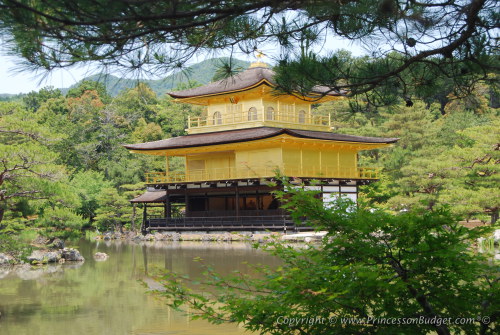
Kinkaku-ji, officially named Rokuon-ji, is a Zen Buddhist temple in Kyoto, Japan

If you are wondering where to stay, I highly recommend staying anywhere near any area where you find the most tourist activities. Try to book Onsen style accommodation to have a bit of Japanese traditional hospitality experience.

  • Nijo Castle,
  • Kinkaku-Ji Temple
  • the Heian Shrine Explore
  • the Kyoto Imperial Palace
  • the Buddhist temple of Sanju-Sangendo Hall Visit the Kiyomizu Temple
Nijo Castle (Nijojo) - Kyoto, Former Kyoto residence of the shogun

Arashiyama District :

It is a top-rated destination for Japanese tourists and those worldwide, especially in spring during cherry blossom season and in autumn. The major attraction is Bridge on casriao river, Bamboo forest the symbol of Arashiyma. The scenic saga Iona romantic train.

If you are up for more natural scenery, check out the Arashiyama famous bamboo grove area. Go for a short hike up the stairs and visit the yatta yatta monkey park. It’s the home of more than 100 snow monkeys.

Arashiyama Bamboo Forest - Kyoto

Try dressing up in a traditional costume; you can hire a traditional Japanese kimono dress for a day. I Dressed up in a Kimono (traditional Japanese clothing) and wandered around. There are lots of shops around the tourist area who offer this service.

Getting Ready at Kimono Rental
Dressed-up in Kimono Girl

If you feel that you haven’t seen enough temples, visit Tenryu Ji temple and explore its beautiful garden. When you want to explore, I recommend taking a scenic train ride on the Sagano scenic railway. It is best during the fall season as you experience the fantastic changing colours. However, it is still a lovely ride during other seasons.

Temple - Kyoto

Ryaoanji Temple:  It is famous for Japanese style rock garden.

Kinkakuji Temple: It is famous for the golden pavilion & has three floors, each built with different architecture styles. Kinkak shows beauty exclusively in the sunset.

Kyoto Day 1 Itinerary Route Map

Day 5 – Kyoto

Gion District: Is gesture district and still has reached the atmosphere; it is one of Kyoto’s liveliest area and has various sightseeing spots.

Start your exploration off by heading to the old districts of egan walk for the side -streets. Visit the many old shops and explore at your leisure and take a stroll in Gion’s most famous historic sites, landmarks, shops, restaurants & bars  and experience Geisha culture(Japanese hostess trained to entertain men with a conversation, dance, and song. )

Gion has its reach atmosphere. It is one of Kyoto’s lifestyle area and has various sightseeing spots such as historic Yasaka-Jinja Shrine, shopping places and restaurant & bar, and tea houses.

Sanjusangendo Temple: It is home to numerous Japanese treasures such as a statue of Fujin (the god of wind ) and Raijin (the god of thunder). Breathtaking view of 1000 arms canon standing statue godets of mercy.

Yasaka shrine

It is one of the famous shrines in the Gion district and Higashiyama district. For more temple hopping experience visit Nanzen -Ji temple and its famous garden Kiyomiu- Dara temple and his fantastic view over the city and finally Fushimi Inari Shrine: very picturesque area must-see spot in Kyoto. Fushimi Inari shrine famous for its thousands of torii gates

Yasaka Shrine, once called Gion Shrine, is a Shinto shrine in the Gion District of Kyoto, Japan
Fushimi Inari Shrine - Yasaka Shrine

Hanami Koji: The ancient street of hanami koji here you find all old wooden storefronts and if you are lucky you might even get a few snaps of Geishas

The food you would love to try in  Kyoto:

Nishiki market –It is also a great place to explore. Here you find hundreds of different small shops and taste some tasty local food. One thing highly recommended trying out is visiting traditional Japanese sweets at Kagzien Yoshtiuse. Don’t miss out on Kugizen noodles.

Also, try out Kyoto Kaiseki for dinner the regions own twists to the traditional Kaisuke dinner which Akins to multiple course dinner. I also recommend Kyoto Kitcho Arashiyama Gion Karyo.

Food - Kyoto

Kyoto Day 2 Itinerary Route Map

Day 6 – Hiroshima

Kyoto and Hiroshima are well connected by the Tokaido and Sanyo Shinkansen lines and are covered by the JR pass. The trip between Kyoto Station and Hiroshima Station takes 1 hour 40 minutes.

Hiroshima: we know the past city, but now, Hiroshima is a Morden cosmopolitan city with an excellent culture, nature and food. Many of us know the tragedy of Hiroshima from second world war. Since those darkest days in history, it is grown into a beautiful modern culture centre.

Hiroshima Atomic Bomb Dome

Best place to visit

Shukkeinne garden: It offers a relaxing and rejuvenating experience in Hiroshima city. Using many traditional aspects the classical Japanese gardens Shukkeinne future mimics the vast natural landscape of mountain scenery, the island lacks.

Hiroshima Garden
Hiroshima Garden

Mazda museum: Is the best way to learn about Japans car and manufacturing industry.

Take  JR train from Hiroshima station to Mukainada station (This is the closest station to Mazda Museum). You can buy the Museum entry ticket online in advance.

The Hiroshima Peace Memorial/ Peace Park: It is dedicated to the legacy of Hiroshima

Hiroshima Peace Memorial Park

Okonomimura village: Is a food theme park where you can have Hiroshima style Okonomiyaki (a local delicacy).

Hiroshima-style Okonomiyaki at Hiroshima Village

Hiroshima Day Itinerary Route Map

Day 7 – Miyajima island

Is a must-see spot when you are in Hiroshima. It is one of the top japan scenic sides. Take train from Hiroshima station take JR Sanyo line (Hiroshima-Miyajima –Guchi ) 25  min ride ) from there is 5 Min walk to ferry terminal to get  Miyajima island. Take a short ferry ride to Miyajima Island on the Seto Inland and enjoy a peaceful atmosphere with amazing wildlife, peaceful shrines, beautiful temples and local delicacies.

Itsukushima Miyajima Japan. Itsukushima Shrine and floating torii gate
Itsukushima Miyajima Japan. Itsukushima Shrine - floating torii gate

Most popular island (shrine) (in high tide its look likes floating on the sea) (make sure to check the tide schedule before plan your visit)

Deers wander at the island freely, and they look adorable. Be careful you will find lots of deer following you, and they love to eat paper and belongings bags.

Miyajima Island Is Full of Deer and Is One of the Best Things to See in Japan
Be careful you will find lots of deer following you, and they love to eat paper and food

Itsukushima shrine: It is wholly site of Shinto and is a floating torii-gate. It is a beautiful shrine on the water. Itsukushima means “island of worship”, and from ancient times the locals worship the island as a god. 

Itsukushima Shrine and Its Floating Torii

Daisho is a temple ( Emoji): It is one of the most important temples of Buddhism and at the base of the temple you will see lots of longest trail of Buddha statues’

(the impressive thing is every figure has different expression it is incredible)

Wonder around and soak up the atmosphere

Stone army of hippie buddha monks - Miyajima Island Hiroshima Japan
Reclining golden Buddha statue in shrine at Miyajima Island, Hiroshima
Daisho-in Temple: the Hidden Wonder on Miyajima Island Hiroshima - Japan

The food you would love to try in  Miyajima island japan:

It is a great place to try out the local delicacies at Miyajima-Omotesando-Shopping-Street. You can also find souvenirs shops.

Maple leaf-shaped Castella & you can see how’s it’s made as well

Maple leaf-shaped Castella at Miyajima island japan
Omotesando Shopping Street Food - Miyajima Island Japan

Recommendation to stay one night on the island for beautiful night view and experience traditional Japanese inn)

Day 8:OSAKA

Osaka is just 1 hour and 40 minutes west from Hiroshima on the Tokaido-Sanyo Shinkansen train.

Osaka is often regarded as cold and reserved Osaka is often seen as a more laid back. The locals are known to be more friendly easy going and always down for some fun, while the city certainly has some relax vibe. Osaka is more about eating and drinking the night away. Osaka is another major city in Japan and has access to jumping-off points for day trips or overnight exploration. You can consider visiting when you are in Kyoto, Kobe, Nara, Awaji island, and many more. 

Accommodation  – when the staying in the enemy region, also known as Namba, is close to most city attractions such as donburi and clique oh man.

Dotanbari 

Explore the famous Dotanbari area, take a ride on the Tempozan Ferris Wheel. Be amazed by the Osaka aquarium and wander the streets of Shinseki as for the other activates to occupy your time with check out the Umeda sky building, Osaka castle, and the universal studios if you up for the amusement park.

Dotonbori or Dotombori is one of the principal tourist destinations in Osaka, Japan

Osaka is food heaven. There are plenty of good places to check out but if you are still looking for a recommendation, here are few places I would recommend Fukutaro for Okonomiyaki. If you would like to try some Yakitori, then visit Yaki Tonya Tayu Tayu. Try some takoyaki

Osaka Food
Osaka Food
Osaka Food

The city itself is vast, so you have more than enough to do in a couple of days. You can explore the different neighbourhoods on foot.

Umada is one of two main city centres.  It is an area of high rise buildings, shopping centres, and food and drinks options.

Shopping Centre - Osaka

Naba is another centre side just busy known for big shopping centre and foodie area in Donatobauri district (is also known as an Osaka night on the town). The area is famous for Japanese pubs & restaurants. America-mura is another shopping district and is also a well-known centre to explore Japanese youth culture.

Shopping Centre - Osaka

Most clubs close at around 1 am. Expect some clubs like Girraff, club joule Triangle, Club Owl, required to show up early if you would like to have a good time. In my opinion, bar-hopping is good fun in Osaka. If you feel like you need some loud music with lots of people, you could pub-hopping Naba or Umada.

Yes! You can include Kubo and many more cities on the list. There so many things to do, cities to explore here and is nearly impossible to cover everything in one go. Still, I hope at the very least I gave you some inspiration and helpful information for your own upcoming Japan trip. It was by far one of my all-time favourite trips so far, and there are still so many things I want to explore in Japan, and I can’t wait for my next trip.

Distinctive things in Japan I came across:-

Traditional Japanese setting Hotel -onsen

Japanese hi-tech toilets: It is fun to use Japanese toilets, Power deodoriser/sound on & off water pressure… it is pretty snazzy  Amazing Japnese toilets.

Of the fascinating things are Japanese toilets, particularly Toilets seats. It is a mixture of innovation and creativity. Toilet in japans is a perfect example of technology, design and customer experience. Amenities you wish to have in your home toilet.

Display Fake food:- Many restaurants use fake food to display their popular dishes in the windows and attract hungry customers. Specialties make this kind of food from plastic or wax, and it looks just as delicious as its. I found it helpful to know beforehand how your meal is going to be a lookalike.

Food ordering Machine (Japanese high-tech culture)

Display Fake Food

Food vending machine:

Food Vending Machine

Well, it is real and not far away. Pack your bags and experience immersive & enlightening hangover of your life

Arigatōgozaimashita means Thank You!

Asakusa Temple - Sensoji Tokyo
Recent Comments